Dreaming about swapping Brooklyn weekends for beach mornings in the Hamptons? If you are thinking about buying a second home on the East End, you are likely balancing more than style and price. You also need to think through financing rules, travel time, flood insurance, and how you will actually use the home. This guide will help you sort through the big decisions so you can buy with more clarity and less stress. Let’s dive in.
Why Brooklyn Buyers Look East
For many Brooklyn buyers, a Hamptons second home is about creating a place you can return to again and again. It can mean easier summer weekends, more room to unwind, and a lifestyle that feels very different from city life.
But buying on the East End is not just a lifestyle decision. It is also a logistics decision. How often you plan to go, how you will get there, and whether the property fits second-home lending guidelines should all shape your search from day one.
Start With Your Real Use Pattern
Before you tour homes, think honestly about how you want to live in the property. A home that works for long summer stays may not be the best fit for quick Friday-to-Sunday weekends. In the Hamptons, that difference can affect where you buy, how you travel, and even how you finance the purchase.
Ask yourself a few practical questions:
- Will you use the home mostly in summer or throughout the year?
- Do you want a beach-focused location, a walkable village setting, or a quieter retreat?
- Will you usually drive, take the train, or use bus service?
- Are you buying mainly for personal use, or do you hope to rent it out later?
Those answers can narrow your options quickly and help you focus on homes that truly fit your routine.
Understand Second-Home Financing
One of the biggest early steps is confirming that the home can be financed as a true second home. According to Fannie Mae occupancy guidelines, a second home must be occupied by the borrower for part of the year, must be a one-unit dwelling, must be suitable for year-round occupancy, and cannot function like a rental business or timeshare.
That matters in the Hamptons, where some properties are heavily used as seasonal rentals. If a home is controlled by a management company or is set up more like an investment property, it may not fit standard second-home guidelines.
For Brooklyn buyers, the lender is often reviewing the full picture. That includes your primary residence, your income, your assets, and the new second-home purchase together. This is one reason it helps to start financing conversations early.
What to Ask Your Lender
The Consumer Financial Protection Bureau notes that preapproval is a tentative commitment, can expire in about 30 to 60 days, and can help uncover issues before you get deep into the search. CFPB also says closing costs commonly run 2% to 5% of the purchase price, not including your down payment.
When you speak with a lender, ask about:
- Down payment expectations
- Closing costs and inspection costs
- Reserve requirements and proof of assets
- How long your preapproval will remain valid
- Whether the property qualifies as a second home
- Whether the home is considered usable year-round
CFPB also recommends getting your financial documents organized and checking your credit early. That is especially important when you are buying a second home, because lenders often take a closer look at your overall monthly obligations and cash reserves.
Plan Around Real Travel Conditions
For Brooklyn buyers, the commute is part of the buying decision. If you plan to use the home often, travel time and convenience may matter almost as much as the house itself.
The Long Island Rail Road timetables and the South Fork Commuter Connection serve key East End destinations, with route-specific and seasonal options. Hampton Jitney also operates East End service, and its Brooklyn summer service has included pickups in places like Park Slope, Boerum Hill, and Brooklyn Heights.
Schedules can shift based on season, holidays, traffic, and weather. That is why it is smart to verify the latest train or bus options before planning multiple showings or assuming a certain town will feel easy for frequent weekend use.
Don’t Overlook Flood Insurance
On the East End, flood review should happen early, not at the last minute. According to FEMA flood insurance guidance, flood insurance is separate from homeowners insurance, and most homeowners policies do not cover flood damage.
FEMA also notes that National Flood Insurance Program policies generally have a 30-day waiting period unless coverage is required because of a new loan or a map change. For homes in high-risk flood areas with mortgages from government-backed lenders, flood insurance is required.
This means you should discuss flood zone status and insurance costs before your offer is final. On a coastal second home, those details can affect both affordability and peace of mind.
Check Beach and Parking Rules Early
Not every East End beach works the same way. Access may be tied to town rules, village rules, associations, deeded rights, or parking permits.
For example, Southampton Town’s beach parking information shows that some permits are tied to a physical town address or the homeowner listed on the town tax bill, and those permits apply only to town beaches. Shelter Island also uses seasonal parking rules and permit options for many beaches, ramps, and landings.
For buyers, the takeaway is simple: do not assume a home near the water automatically gives you the beach access you expect. Verify what is public, what requires a permit, and what is specific to that municipality.
Hamptons Areas That Fit Different Lifestyles
The right East End location often comes down to how you want your weekends to feel. Brooklyn buyers are usually choosing between beach access, walkability, cultural activity, or a quieter pace.
Southampton and Westhampton
If you picture a traditional Hamptons beach-house experience, Southampton and nearby Westhampton are often top of the list. Southampton Village notes that it has about seven miles of oceanfront and eleven individual beaches.
This area can be a strong fit if you want easy access to classic beach settings and are comfortable planning around summer traffic and permit rules. It often appeals to buyers who want a recognizable Hamptons lifestyle with strong weekend-home appeal.
Sag Harbor
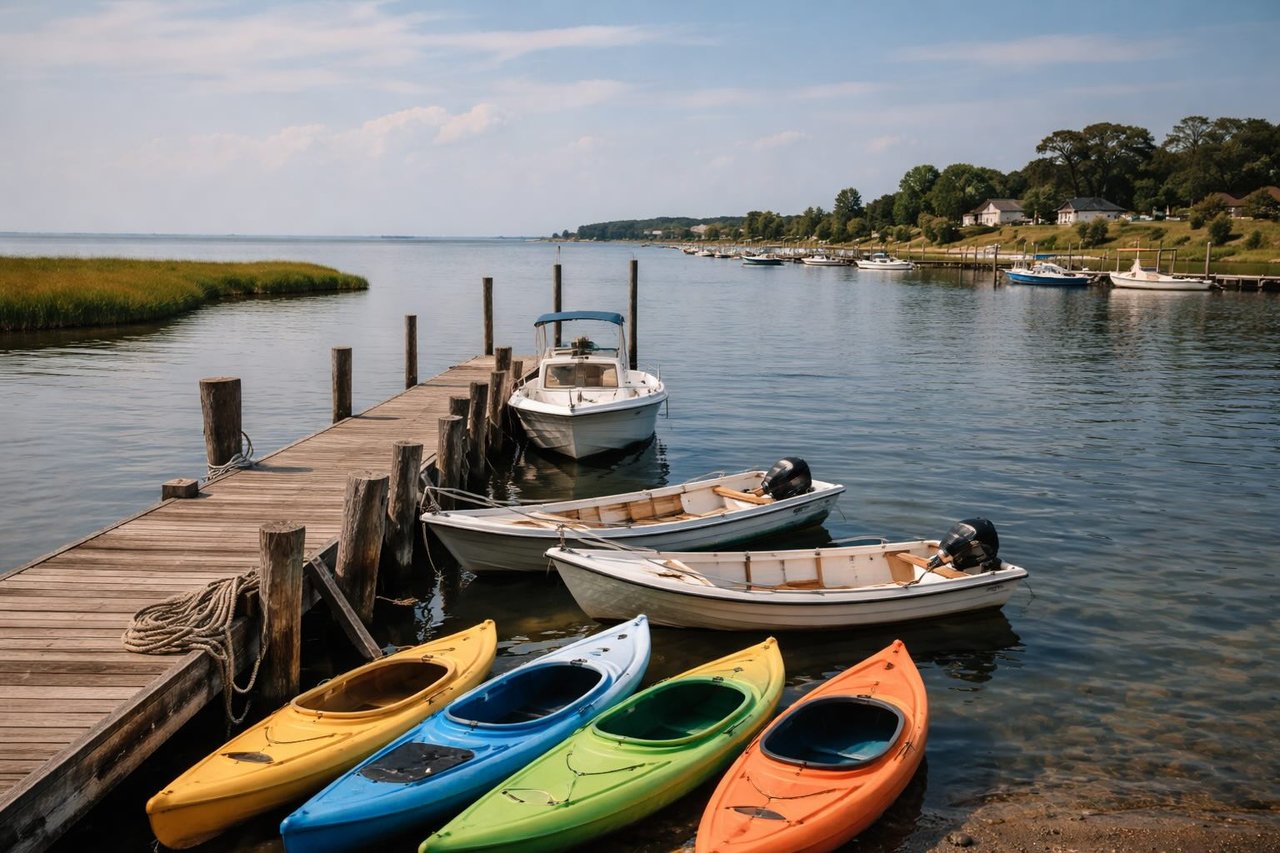
If you prefer a village-centered experience, Sag Harbor may stand out. The village notes that its marina facilities are a short walk from shops, restaurants, and public bus transportation.
That kind of layout can appeal to buyers who want more than a beach house. If walkability, harbor access, and a central Main Street feel are high on your list, Sag Harbor may be worth a closer look.
East Hampton and Amagansett
For buyers who want beaches plus a strong cultural scene, East Hampton and Amagansett often rise to the top. The East Hampton Chamber listing highlights beaches, boutiques, galleries, dining, boating, golf, tennis, and other local activities.
This combination can work well if you want a second home that offers both downtime and things to do year-round. It is often a fit for buyers who want variety beyond the sand.
Montauk
If you are drawn to a more outdoor-focused setting, Montauk offers a different feel. Discover Long Island describes Montauk as known for its rugged coastline, surfing, fishing, Montauk Point State Park, and the Montauk Point Lighthouse Museum.
For Brooklyn buyers who want nature, open views, and a less polished atmosphere, Montauk can be especially appealing. It tends to attract buyers who want the East End experience to feel more laid-back and outdoorsy.
Shelter Island and Greenport
If your goal is a quieter pace, Shelter Island may be a strong match. The town’s public materials highlight beach access, ferry-connected transportation, and local permit systems, reflecting a setting that many buyers choose for a calmer routine.
Greenport, on the North Fork, can also be a great option if you want a walkable waterfront village. It is often a smart choice for buyers who want shops, dining, and entertainment in a compact setting rather than a classic South Fork beach town.
Questions to Answer Before You Make an Offer
Once you have narrowed your target area, focus on the details that matter most for a second-home purchase. On the East End, these are not small items. They can shape financing, carrying costs, and long-term enjoyment.
Before you move forward, confirm:
- Whether the property qualifies as a second home under lender rules
- Whether the home is suitable for year-round occupancy
- What flood insurance may be needed
- What beach, parking, or local access rules apply
- How realistic your weekend travel pattern will be
- Whether your long-term plan is personal use, occasional rental, or investment
That last point is especially important. Under Fannie Mae’s second-home standards, a property used like a business rental may fall outside the standard second-home category. If you think you may rent the home later, talk through that plan early with your lender and your real estate team.
A Smart Brooklyn-to-Hamptons Strategy
The best Hamptons second home is usually not the one that sounds best in theory. It is the one that fits your real schedule, travel habits, and financial plan.
If you want quick, frequent weekends, a location with easier access and village convenience may make the most sense. If you want longer, quieter escapes, you may prefer a setting like Montauk, Shelter Island, or even parts of the North Fork.
A thoughtful search starts with your lifestyle, then works outward to financing, insurance, and local rules. When those pieces line up, you are much more likely to buy a home you will truly enjoy using.
If you are starting your search from Brooklyn and want local guidance on Hamptons second-home options, The Connelly Team can help you evaluate communities, narrow the right fit, and move through the process with clear, informed support.
FAQs
What makes a Hamptons property a true second home?
- A true second home generally must be occupied by you for part of the year, be a one-unit dwelling, be suitable for year-round use, and not operate like a rental business under standard Fannie Mae guidelines.
How early should Brooklyn buyers get preapproved for a Hamptons second home?
- You should start the financing conversation as soon as you are serious about touring, since the CFPB says preapproval letters are temporary and often expected when you make an offer.
What travel options do Brooklyn buyers have for the Hamptons?
- Brooklyn buyers can look at LIRR East End service, the South Fork Commuter Connection, and seasonal Hampton Jitney service, but schedules should always be verified before planning regular trips.
Why should Hamptons buyers check flood insurance before making an offer?
- FEMA explains that flood insurance is separate from homeowners insurance, many homeowners policies do not cover flood damage, and some financed homes in high-risk flood areas must carry flood coverage.
Do all Hamptons beaches have the same access rules for second-home owners?
- No. Beach access and parking can depend on town rules, village rules, permits, associations, or deeded rights, so buyers should verify local policies for the specific property and municipality.