If you are deciding between Port Jefferson and the Hamptons for a waterfront home, you are really choosing between two very different Long Island lifestyles. One gives you a compact harbor village with marina access and a walkable downtown feel. The other offers a broader coastal experience shaped by beaches, bays, larger properties, and a luxury market with strong seasonal pull. This guide breaks down the key differences so you can compare the setting, home styles, waterfront access, and pricing with more confidence. Let’s dive in.
Port Jefferson vs. Hamptons at a Glance
At the highest level, Port Jefferson and the Hamptons are not interchangeable waterfront markets. Port Jefferson is best understood as a North Shore harbor village where boating, history, and year-round activity come together in a compact setting. The village highlights its beauty, marina access, and walkable core, along with a harbor that serves as one of Long Island’s two ports with access to Connecticut.
The Hamptons, along with the broader East End, offer a more spread-out coastal experience. East Hampton Town spans 69 square miles, includes 131 miles of coastline, and has 16,530 acres of protected open space. Southampton Village describes itself as a prime resort community with about seven miles of oceanfront and a population that increases seasonally.
Waterfront Setting Shapes Daily Life
Port Jefferson centers on the harbor
In Port Jefferson, the water experience is closely tied to the village itself. The harbor is calm and deep enough to be especially friendly to transient boaters, and the village notes that people can walk from marina docks to shops, restaurants, and cultural activities. That creates a waterfront lifestyle that feels connected and convenient.
If you picture yourself stepping off your boat and heading straight into town, Port Jefferson stands out. Its sheltered harbor setting can appeal to buyers who want water access without giving up a lively, year-round main street. The water here feels like part of everyday village life.
The Hamptons offer varied coastal access
The Hamptons and East End provide a broader mix of water settings. Instead of one central harbor, you are looking at ocean beaches, bay beaches, inlets, moorings, and launch points spread across a larger area. That gives you more variety, but it also means your waterfront lifestyle may depend more on where exactly you buy.
East Hampton Town notes that beach permits are required at town beaches year-round, and those permits also allow vehicles to launch boats at town launch ramps. In other words, waterfront living in the Hamptons often involves beach systems, permit rules, and multiple access points rather than a single downtown marina environment.
Village Feel vs. Resort Feel
Port Jefferson feels compact and active year-round
A major difference between these markets is how the surrounding community feels when you are not focused only on the house itself. Port Jefferson is a small-scale village environment with a strong sense of place. The official village description emphasizes history, beauty, marina access, and cultural activity throughout the year.
For many buyers, that means more than scenery. It means being able to enjoy a waterfront setting that still feels like a working, lived-in community in every season. If you value walkability and a downtown atmosphere, Port Jefferson may feel more practical and connected.
The Hamptons feel broader and more seasonal
The Hamptons are defined less by one village core and more by the wider East End coastal landscape. Southampton Village identifies itself as a resort community, and seasonal demand remains a major part of how buyers experience the area. You may find more privacy, larger lots, and a stronger second-home atmosphere, but daily life can feel more spread out.
That is not a drawback for everyone. In fact, many buyers want exactly that. If your priority is a resort-style setting with beach access and a distinct seasonal rhythm, the Hamptons may be the better fit.
Home Styles and Built Environment
Port Jefferson reflects historic village character
Port Jefferson is not defined by one luxury home style. Instead, it is better described as a historic village waterfront market where older homes, waterfront-adjacent properties, and new construction all exist within a preserved architectural setting. The village maintains an Architectural Review Committee to help protect scenic, historic, and architectural character.
That matters when you are comparing inventory. In Port Jefferson, the waterfront experience is often woven into a small-scale village fabric rather than expressed through large estate compounds. Buyers who like charm, established streetscapes, and a more traditional village setting may appreciate that character.
Hamptons homes span estates to modern builds
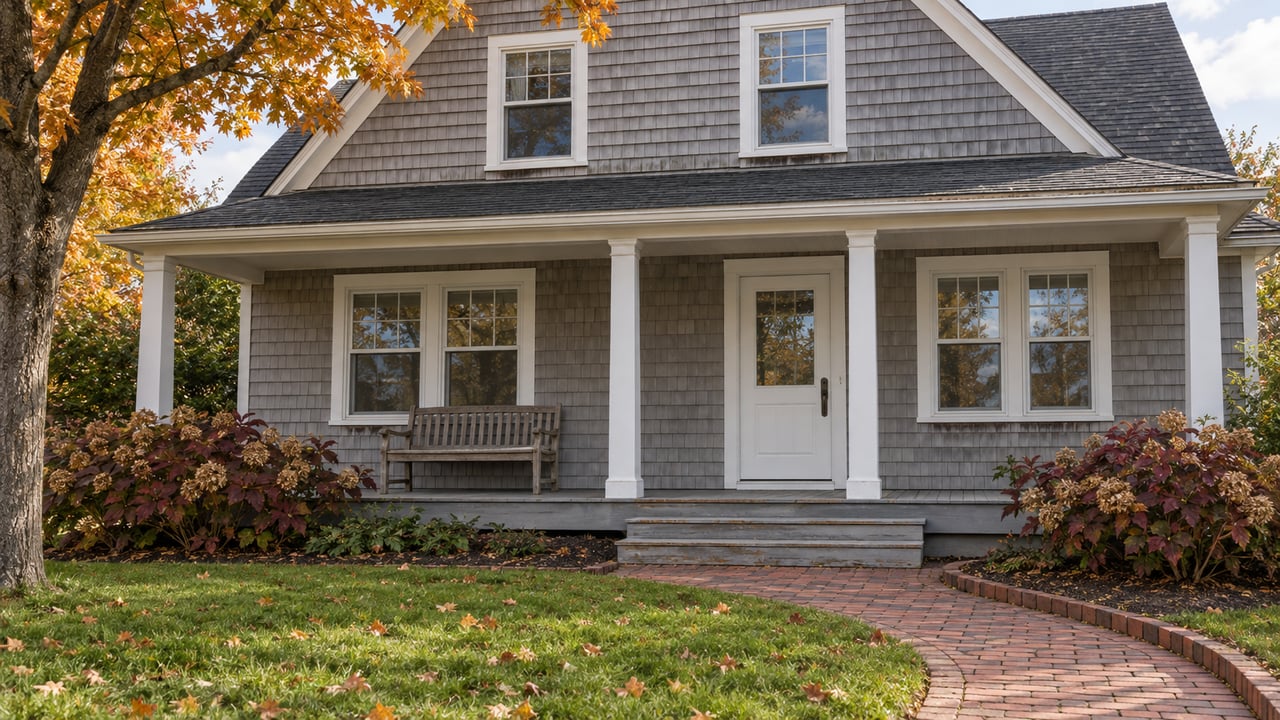
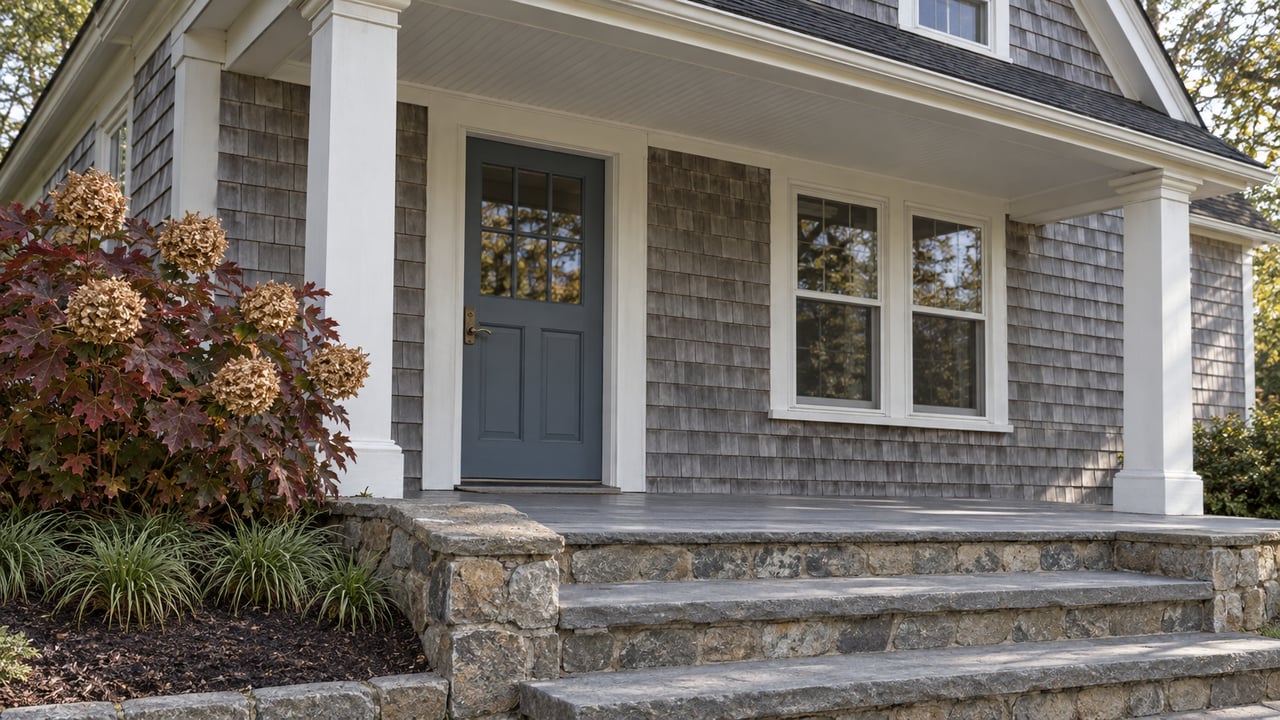
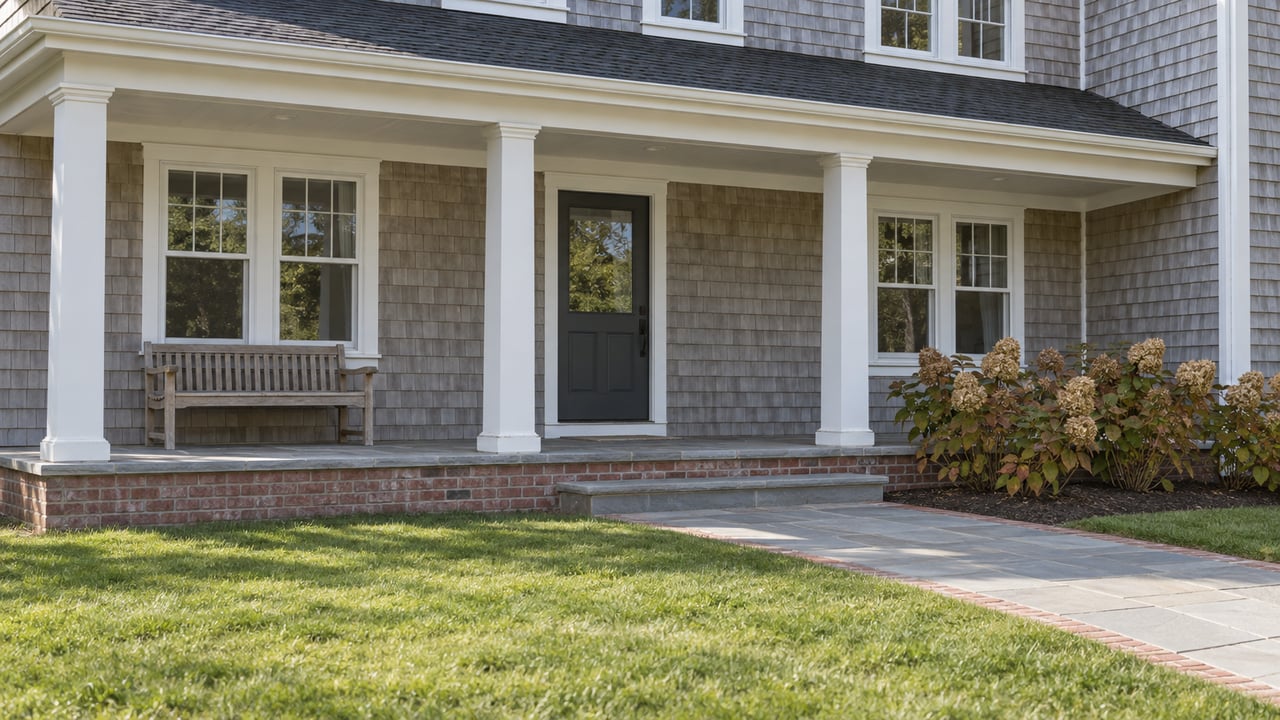
The Hamptons have a much more defined style identity. East Hampton’s planning documents reference maritime structures, expansive Shingle Style waterfront residences from the resort era, and a mix that includes Colonial, Greek Revival, Victorian, Tudor, Georgian Revival, and modern or post-modern architecture. Southampton Village history also points to the area’s transition into a resort community with large estates built for wealthy summer residents.
That architectural history helps explain why Hamptons waterfront homes are often associated with classic shingle-style estates, summer cottages, and high-end contemporary homes. If you want a home with a strong design statement, a larger footprint, or an estate-style setting, the Hamptons may offer more of those options.
Price Tiers Are Very Different
Lifestyle should come first in this comparison, but pricing still matters. Based on current market data, Port Jefferson and the Hamptons sit in very different price categories.
Realtor.com reports Port Jefferson’s median listing price at $787,495, with 69 active for-sale listings, a median of 22 days on market, and a 100% sale-to-list ratio in May 2026. The same source describes Port Jefferson as a seller’s market.
In the Hamptons, Miller Samuel’s first quarter 2026 report places the median sales price at $2,412,500 and the average sales price at $4,257,787, both record highs. The report also states that 21.2% of sales were above $5 million, while inventory remained below typical pre-pandemic levels.
What That Price Gap Means for Buyers
The difference in pricing does not simply mean one market is better than the other. It means they serve different buyer goals. Port Jefferson may offer a more accessible entry point for buyers who want waterfront living, harbor access, and a year-round village environment.
The Hamptons, by contrast, are positioned as a higher-end waterfront market shaped by scarcity, seasonality, and luxury demand. Buyers there are often paying for larger lots, broader water exposure, distinctive architecture, and a resort-driven lifestyle. The right choice depends on what kind of waterfront experience you want to live with every day.
Which Market Fits Your Lifestyle?
Port Jefferson may fit you if you want:
- A sheltered harbor setting
- Marina access near shops and dining
- A walkable village atmosphere
- Year-round activity and community feel
- A lower entry price than the Hamptons
The Hamptons may fit you if you want:
- Ocean, bay, beach, or inlet access
- A larger and more dispersed coastal setting
- Estate-style or design-forward homes
- A resort-oriented second-home environment
- A luxury market with higher pricing tiers
How to Compare Waterfront Homes Clearly
When you tour homes in either market, it helps to compare more than the view. Waterfront real estate can look similar in photos while offering very different day-to-day living.
Focus on questions like these:
- Do you want a harbor lifestyle or a beach lifestyle?
- Would you rather walk into town or prioritize privacy and larger grounds?
- Are you looking for a year-round home, a seasonal retreat, or a long-term investment?
- Do you prefer historic village character or a more estate-driven luxury setting?
- Is your budget better aligned with Port Jefferson’s market tier or the Hamptons’ pricing structure?
These questions can help you narrow your search faster and avoid comparing homes that serve very different goals.
Why This Comparison Matters on Long Island
Waterfront buyers on Long Island often begin with a simple idea: “I want a home by the water.” But the kind of water, the surrounding town structure, and the local market can shape your experience just as much as the house itself.
Port Jefferson gives you a harbor village lifestyle with everyday convenience and a more approachable price tier. The Hamptons give you a larger-scale coastal market with broader water access, iconic architecture, and luxury pricing. Both are compelling, but they appeal to different definitions of waterfront living.
If you are weighing waterfront options across Long Island’s East End and nearby coastal markets, working with a team that understands both lifestyle fit and property type can save you time and sharpen your search. For guidance on waterfront homes, second homes, and unique coastal opportunities, connect with The Connelly Team.
FAQs
What is the main difference between Port Jefferson and Hamptons waterfront homes?
- Port Jefferson is centered on a sheltered, walkable harbor village, while the Hamptons offer a broader coastal market shaped by beaches, bays, larger properties, and seasonal resort demand.
Are Port Jefferson waterfront homes usually less expensive than Hamptons waterfront homes?
- Based on the research report, Port Jefferson has a median listing price of $787,495, while the Hamptons had a median sales price of $2,412,500 in the first quarter of 2026, placing them in very different price tiers.
Is Port Jefferson a good fit for buyers who want boating access?
- Port Jefferson can be appealing for buyers who want boating tied to a town-centered harbor lifestyle, with marina access and walkability to shops, restaurants, and village activities.
What kinds of waterfront home styles are common in the Hamptons?
- The Hamptons are often associated with Shingle Style waterfront estates, historic summer homes, and high-end contemporary homes, along with other architectural styles noted in East Hampton planning documents.
How should you choose between Port Jefferson and the Hamptons for waterfront living?
- Start with lifestyle first by comparing harbor access versus beach access, village walkability versus a more spread-out resort setting, and your budget relative to each market’s price tier.