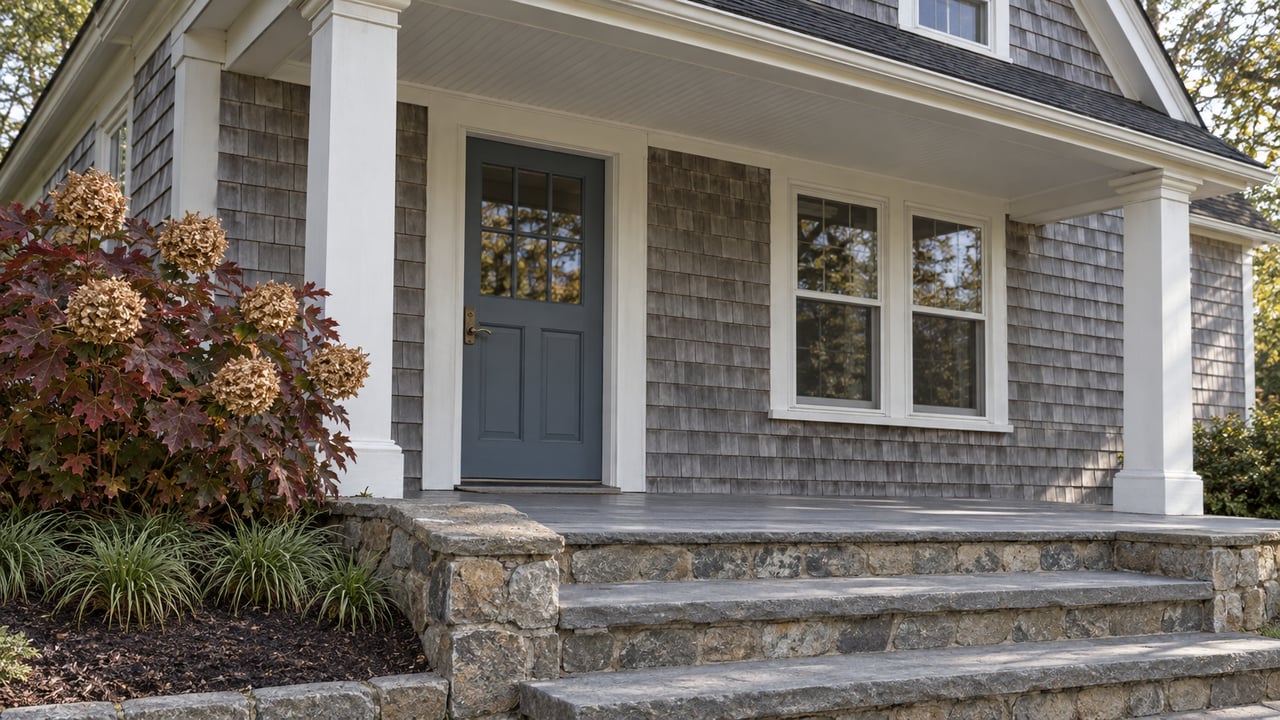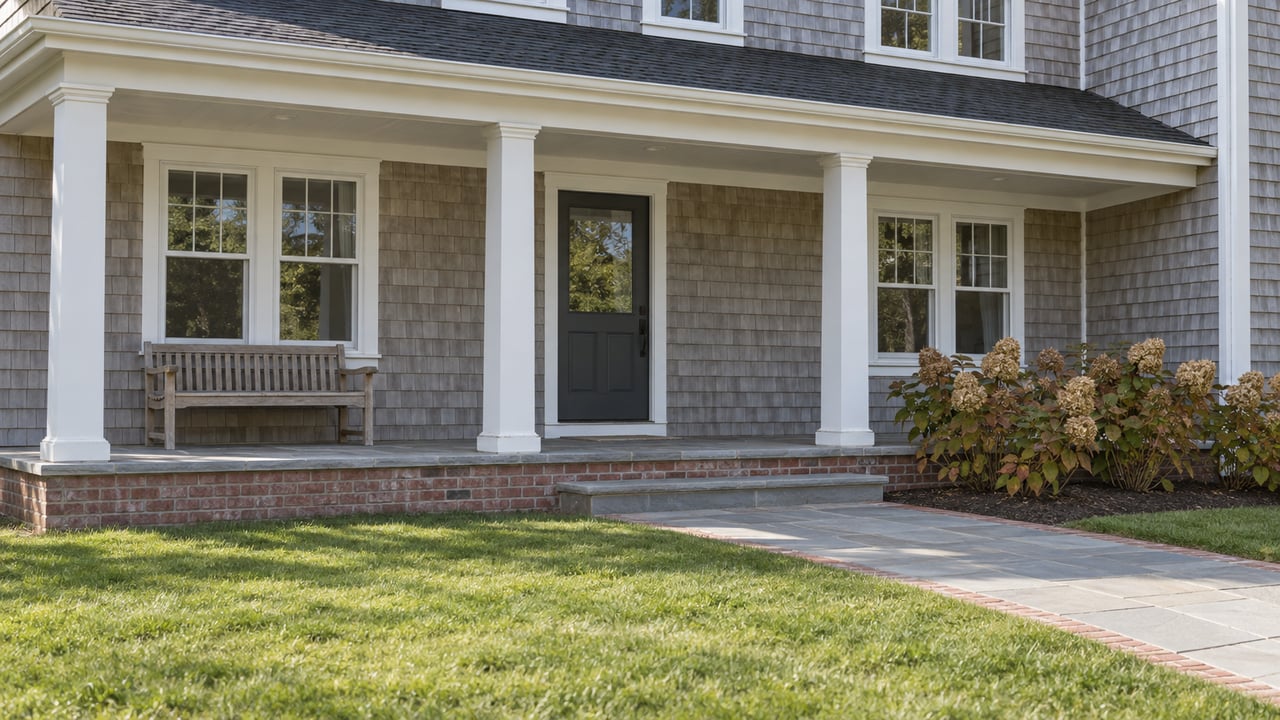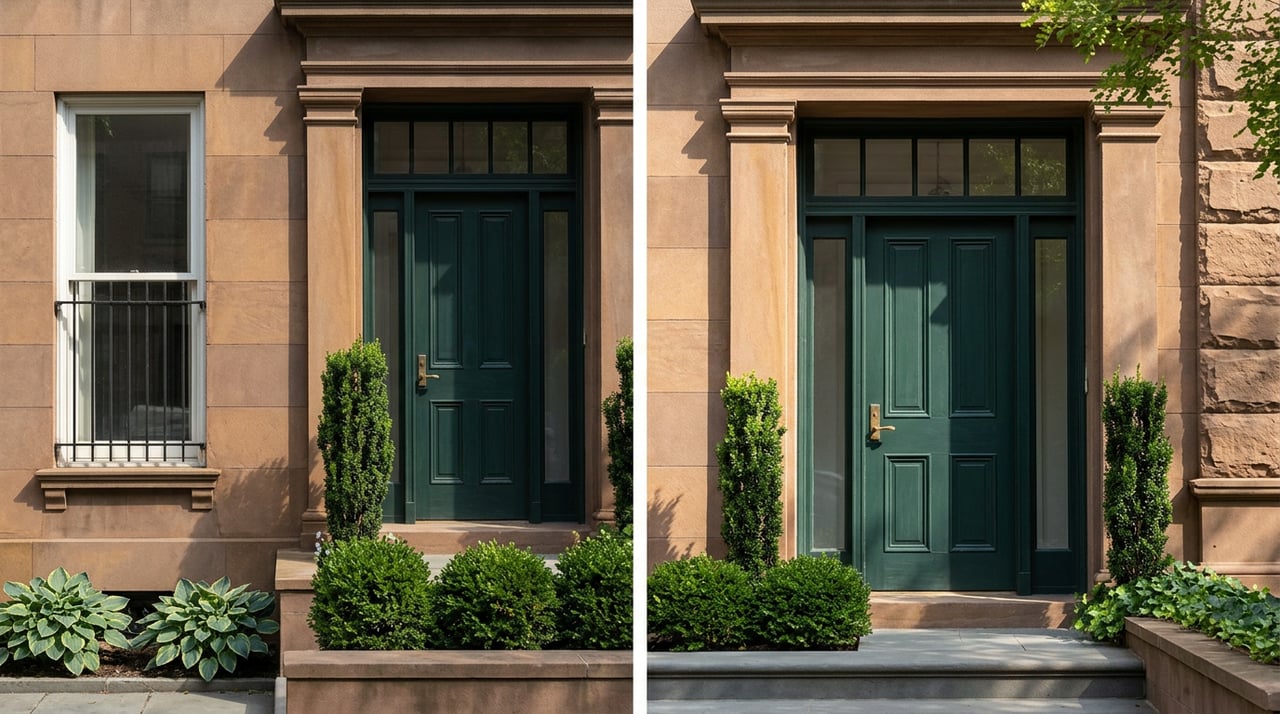
A landmarked brownstone in Cobble Hill, Park Slope, or Fort Greene can sit on the market for weeks, draw a strong offer, clear inspection, and still stall in the final stretch over something that has nothing to do with the sale price. It happens when a title search or attorney review turns up an open Landmarks Preservation Commission violation, and the seller learns a hard truth about how landmark law actually works: the Commission runs on its own calendar, not the closing calendar.
That timing gap, not the underlying repair, is what actually threatens a deal.
What's actually at stake in a landmarked district
Large sections of brownstone Brooklyn sit inside a historic district: Brooklyn Heights, Cobble Hill, Park Slope, Fort Greene, Boerum Hill, Clinton Hill, Prospect Heights, and Bed-Stuy's two separately designated districts, one of Brooklyn's first historic districts from 1971 and a larger district added in 2015 covering more than 800 buildings between roughly Classon Avenue and Nostrand Avenue.
That district money is real. Cobble Hill's landmark status didn't stop its market from moving this spring, when actors Daniel Craig and Rachel Weisz closed on the sale of their four-story, 6,600-square-foot townhouse at 22 Strong Place for roughly $11.8 million, according to a report by Brooklyn Bridge Parents published in April 2026. The couple had bought the house in 2017 for $6.75 million from author Martin Amis and his wife Isabel Fonseca, following a New Year's Eve fire that had damaged the top floor. A fire, a repair, a resale nine years later: that's the arc of a landmarked building in miniature.
According to All Boro Expediting, an open violation does not belong to whoever caused it. It belongs to whoever owns the building when it's discovered. Buy a landmarked house with an unresolved LPC issue from a prior owner's unpermitted work, and the obligation to cure it is now yours, not theirs.
The fine is the wrong thing to worry about
Sellers who do think about landmark violations tend to fixate on the penalty, and that's the part of the system built to be forgiving. The Landmarks Preservation Commission's own enforcement process gives owners two separate chances to correct a violation without paying anything. The first comes with a Warning Letter, the Commission's opening move when it learns of an issue. The second comes after a Summons or Notice of Violation is issued, before the matter reaches a hearing at the Office of Administrative Trials and Hearings. Only if an owner burns through both grace periods does a civil penalty actually attach, and ignorance of landmark status isn't a valid defense once it does.
So the dollar risk is manageable if you move early. The timing risk is the one that isn't, because clearing a violation means going through LPC review, and LPC review doesn't run on an attorney review clock. For most applications, Brownstoner reports that the Commission is legally required to respond within 20 days once a complete application is on file. Certain narrow scopes, like small-section masonry repair or repointing limited stretches of a rear facade, can qualify for a FasTrack response in as little as 10 days. But Brownstone Blog reports that a Certificate of No Effect is often approved within about 10 business days and carries its own legal decision deadline of 30 business days after the application is deemed complete. A full Certificate of Appropriateness follows a public-hearing path, as Shine Your Light describes.
Only about 5 percent of LPC applications end up needing that full hearing path, according to Fontan Architecture. Most brownstone work is minor enough to clear at the staff level. But a seller who doesn't find out which category their situation falls into until a buyer's attorney flags it has already lost the option to control the timeline. A deal with a 60- or 90-day close has no room for a hearing cycle.
The changes that rarely look like construction
The work that trips this wire is almost never dramatic. It's the kind of thing an owner does without thinking of it as a landmark question at all:
- Replacing windows with a different profile or material than the original
- Repointing brick with a mortar mix that doesn't match the historic composition
- Painting over previously unpainted masonry
- Installing a storefront sign or awning on a mixed-use building's ground floor
- Adding a rear extension or rooftop bulkhead, even one that can't be seen from the street but is visible from a neighboring yard or upper-floor window
Almost none of that gets filed under "construction" in an owner's mind, which is exactly why the notice arrives as a surprise rather than something anticipated.
What this means for timing a listing
The practical lesson isn't that landmark status makes a Brooklyn brownstone harder to sell. Craig and Weisz's Cobble Hill sale, and the broader run of landmarked-district transactions across Park Slope, Fort Greene, and Brooklyn Heights, show that buyers pay full freight for these blocks. The lesson is that the compliance history needs to be settled before the property goes on the market, not discovered during it.
That means, before listing:
- Pull the building's landmark designation report and confirm exactly which features are protected on your specific facade.
- Review any exterior work done since you've owned the property, and any you know about from before, against what's on file with LPC.
- If anything looks unpermitted, request an LPC pre-application consultation to learn which review path it falls into before a buyer's attorney finds it independently.
- Budget real time for the answer. A staff-level Certificate of No Effect might clear in a matter of weeks.
- Keep documentation, photos of existing conditions, prior permits, any correspondence with LPC staff, in one file your listing agent and attorney can hand to a buyer's side immediately, since a well-documented history moves faster through diligence than one requiring reconstruction from scratch.
A landmarked building's LPC standing is a piece of transaction readiness the same way a clear title or a current Certificate of Occupancy is. Confirming it early doesn't just protect against a fine. It protects against losing the one thing a closing calendar can't get back: time.
A few questions worth asking before you list
Many owners learn their coverage status from a warning letter rather than from a prior title report.
What if I didn't do the unpermitted work myself? It doesn't matter for compliance purposes. The obligation to resolve an open issue falls on whoever holds the deed when it surfaces.
Can I sell a brownstone with an open LPC violation still on file? Expect it to complicate the transaction. Buyers, lenders, and title companies routinely flag open violations during diligence, and an unresolved one can hold up the very DOB permit needed to fix it, which is the exact scenario that turns a routine closing into a delayed one.
If you're weighing a sale in one of Brooklyn's landmarked districts, or trying to understand what your specific block's compliance history looks like before you list, The Connelly Team can walk through it with you. Request Your Free Home Valuation and we'll help you map the timeline before it maps you.
This article is general information, not legal, tax or financial advice. Consult a qualified professional about your situation.