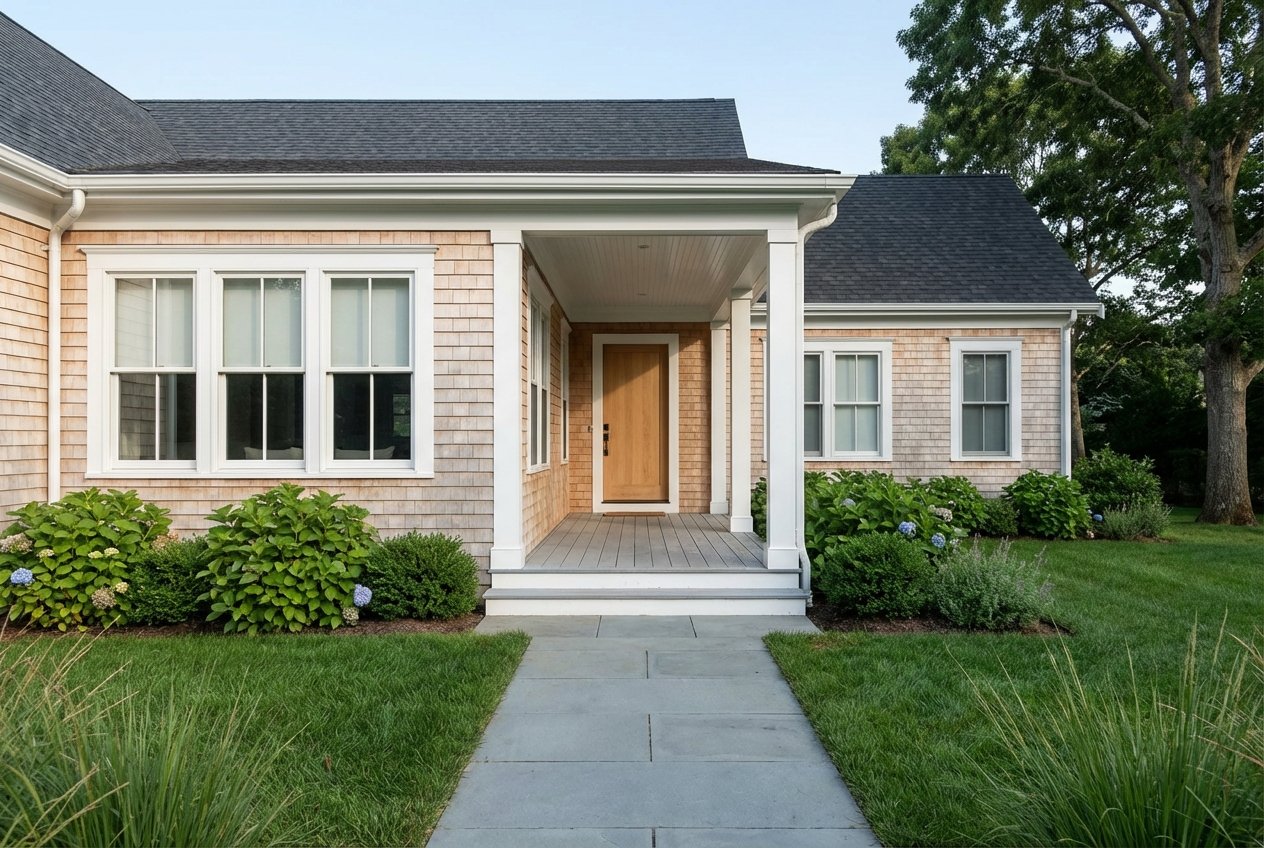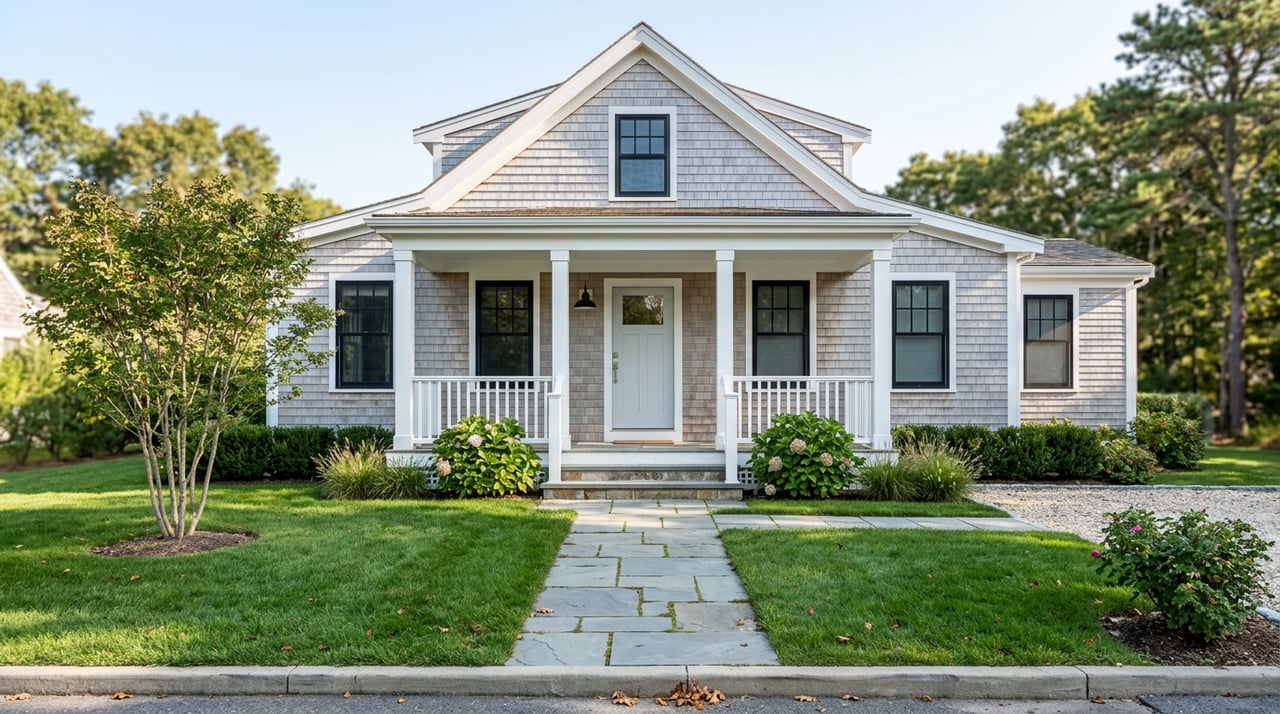
Picture yourself slipping into the weekend with a morning beach walk, a late lunch in the village, and a quiet fire after sunset. If you are considering a second home in Southampton, you likely want that relaxed rhythm without surprises. This guide gives you the real story on lifestyle, permits, taxes, travel, and upkeep so you can decide with confidence. Let’s dive in.
Southampton at a glance
Southampton sits on the South Fork of Long Island, where a year‑round community expands with seasonal homeowners every summer. The market is unique and skews high‑end, with strong luxury demand and recent record pricing reported across the Hamptons. You will see headlines driven by the top tier, yet entry points still exist in select hamlets. For context, review how the South Fork swells seasonally and how luxury trends shape pricing in the area per insights from regional coverage on population surges and market performance (STR Profit Map overview, Realtor.com market recap, The Real Deal Q4 summary).
Village vs. hamlets
Be clear about jurisdiction and neighborhood when you shop. Southampton Village, Water Mill, Bridgehampton, and Hampton Bays each have distinct character and price dynamics. Rules for rentals, beach parking, and permits can change at town, village, or even homeowners‑association levels. Always confirm the exact boundary before you rely on a cost or rule.
Beach access
Beach time is a core part of why you buy here. Access and parking are managed by different jurisdictions, so permits and fees vary. Southampton Village operates its own beaches, including Cooper’s Beach, with separate parking and pass policies from the Town beaches. Review the current permit structure and day‑pass details on the village page for planning and budgeting (Southampton Village beaches and permits).
Tips for smooth beach days:
- Decide which beaches you will frequent most, then match your permit to those rules.
- Expect resident and nonresident pricing to differ.
- Keep a small stash of cash or a card for day‑pass kiosks in peak season.
Boating and marinas
If you love the water, you will find a welcoming boating culture. Local yacht clubs and marinas offer slips, moorings, and community, often with seasonal waitlists or membership processes. Many second‑home owners arrange summer services for launch, storage, and maintenance through local providers. As a starting point, explore how a member‑run club fits into your plans and confirm local rules before you commit (Southampton Yacht Club).
Seasons and events
Life in Southampton follows a clear rhythm. Summer brings fundraisers, museum galas, and equestrian events from Memorial Day to Labor Day, along with busy restaurants and shops. The off‑season is quieter and restorative, ideal for beach walks, art exhibitions, and low‑key dining. For a feel of the calendar, browse a current roundup of Hamptons events and traditions (seasonal events overview).
Getting here
Weekend travel is part of the decision. Driving time from NYC depends on traffic and your exact destination. The Long Island Rail Road’s Montauk Branch serves the South Fork, and a seasonal express known as the Cannonball typically runs on summer weekends with limited‑stop service. If you plan regular trips, check the latest schedule updates and seasonal announcements to time your arrivals (Cannonball service update).
Renting your home
If you expect to rent occasionally, plan ahead. The Town of Southampton requires a rental permit, and there is a 14‑day minimum stay under the Town Code. Permits are issued for two years, are non‑transferable, and include safety and documentation requirements; advertising a rental without a permit is a violation. Start with the Town’s FAQ and application checklist, and remember that village rules can differ inside village boundaries (Town rental FAQ, rental permit application).
Rental prep checklist:
- Confirm if your property is in the Town or within a Village boundary, then follow the correct rules.
- Budget time for inspections and permit processing, especially in summer.
- Align any HOA rules with your rental plans before you list.
Taxes and insurance
New York’s STAR program is for primary residences only, so second homes typically do not qualify for STAR savings. Expect a full non‑primary tax load across town, village (if applicable), school district, and county. If the property sits in a FEMA Special Flood Hazard Area, lenders usually require a separate flood policy in addition to homeowners insurance. Learn how local assessments and exemptions work to model your annual carrying costs accurately (Town assessor FAQ).
For coastal risk due diligence, use federal resources to understand flood exposure and long‑term sea‑level trends. This helps you plan for insurance, elevation certificates, and resilient improvements where needed (NOAA coastal risk tools).
Utilities and resilience
Electric service is delivered by PSEG Long Island, and the region has active storm hardening and reliability projects. Summer load and coastal storms can produce occasional outages, so it pays to confirm local patterns and prepare a plan for your home systems. Review Southampton‑area reliability work and discuss backup power options with your contractor if the home is unoccupied during weekdays (PSEG Long Island storm hardening projects).
Health care access
Stony Brook Southampton Hospital anchors local emergency and specialty care for the South Fork. Many buyers find comfort knowing a full‑service hospital is minutes away from the village center. Seasonal volume increases are anticipated and managed, which is helpful if you host family or guests in the summer (hospital preparedness overview).
Maintenance and management
Most second‑home owners hire a local caretaker or full‑service property manager. Typical services include seasonal openings and closings, landscaping, pool care, regular check‑ins, and emergency response. A manager simplifies life if you live in NYC and visit on weekends. Explore bundled caretaking options so you arrive to a ready home every time (local property services example).
Budgeting tips:
- Set aside funds for year‑round check‑ins and seasonal prep.
- Keep an emergency reserve for storm damage or mechanical failures.
- Build a vendor list before closing to avoid last‑minute scrambles.
Second‑home checklist
Use this list to evaluate a property with confidence:
- Confirm jurisdiction. Determine Town vs. Village vs. hamlet. Rules for rentals, beach permits, and parking can differ (Town FAQ on permits and rules).
- Verify rental path. If you plan to rent, review the two‑year Town permit, 14‑day minimum, and inspection steps; check any Village or HOA rules too (rental permit application).
- Assess flood risk. Pull FEMA panel info, ask for an elevation certificate, and review NOAA coastal risk tools for long‑term planning (NOAA coastal risk tools).
- Model carrying costs. Include full non‑primary property taxes, homeowners insurance, flood insurance if required, utilities, and maintenance (assessor FAQ).
- Plan beach access. Choose Town or Village permits based on where you will park most often (village beach and permit details).
- Map travel. Check LIRR schedules for seasonal express service if you prefer not to drive in peak hours (Cannonball service update).
Ready to explore?
Owning a second home in Southampton is about balance. You get world‑class beaches, a vibrant summer season, and peaceful off‑season days, paired with clear rules and real carrying costs. With the right plan, you can enjoy the lifestyle while staying ahead of permits, taxes, and maintenance. If you want a local, hands‑on partner to help you compare hamlets, understand rules, and find the right property, connect with The Connelly Team.
FAQs
What are the short‑term rental rules in Southampton?
- The Town requires a rental permit, a 14‑day minimum stay, and a two‑year, non‑transferable permit with inspections; village rules may add requirements (Town rental FAQ).
How do beach permits work for Cooper’s Beach and others?
- Town and Village beaches use separate permits and fee schedules; confirm whether your target beach is Town‑managed or in Southampton Village before buying a pass (village beach details).
Do second homes in Southampton qualify for STAR tax savings?
- No. New York’s STAR benefits apply to primary residences only, so plan for full non‑primary property taxes for a second home (assessor FAQ).
Is flood insurance required for Southampton waterfront homes?
- If a property is in a FEMA Special Flood Hazard Area, lenders commonly require a separate flood policy; review elevation and NOAA coastal risk data during due diligence (NOAA coastal risk tools).
What is the easiest way to reach Southampton on summer weekends?
- Many owners drive, but the LIRR’s seasonal Cannonball provides limited‑stop service that can save time; check current schedules and announcements before you travel (Cannonball service update).