Are you looking for a place where the waterfront feels like part of everyday life, not just a nice view on the weekend? If Port Jefferson is on your radar, you are likely drawn to more than housing alone. You may be looking for a harbor village with walkability, boating culture, events, and strong transportation links that make life feel connected. This guide will help you understand what harborfront living in Port Jefferson actually looks like and who it tends to fit best. Let’s dive in.
Why Port Jefferson Feels Different
Port Jefferson stands out because it functions as a compact harbor village rather than a spread-out suburban area. The waterfront, Main Street, ferry terminal, and village center all sit close together, which shapes how you move through the community and how you spend your time.
Village planning materials make it clear that waterfront access, walkability, and small-village character are central to Port Jefferson’s identity. That matters if you want a location where the harbor is woven into daily routines instead of sitting off to the side as a backdrop.
Harborfront Living in Daily Life
In Port Jefferson, the harbor is not just about scenery. The village’s vision for the waterfront includes a maritime theme, a working waterfront, access to water-based recreation, and a safe, friendly public realm. In practical terms, that creates a setting where the shoreline supports both activity and atmosphere.
Harborfront Park plays a big role in that experience. You have harbor views, walking paths, picnicking space, a pier, and a children’s play area right near the village center. That kind of setup makes it easier for the waterfront to become part of your normal rhythm, whether you are taking a walk, meeting friends, or spending time outdoors.
The village also highlights East and West Beaches, pocket parks, playgrounds, cultural venues, and seasonal programming. Together, those amenities help create a harborfront lifestyle that feels active through much of the year, not only during peak summer months.
Boating and Maritime Culture
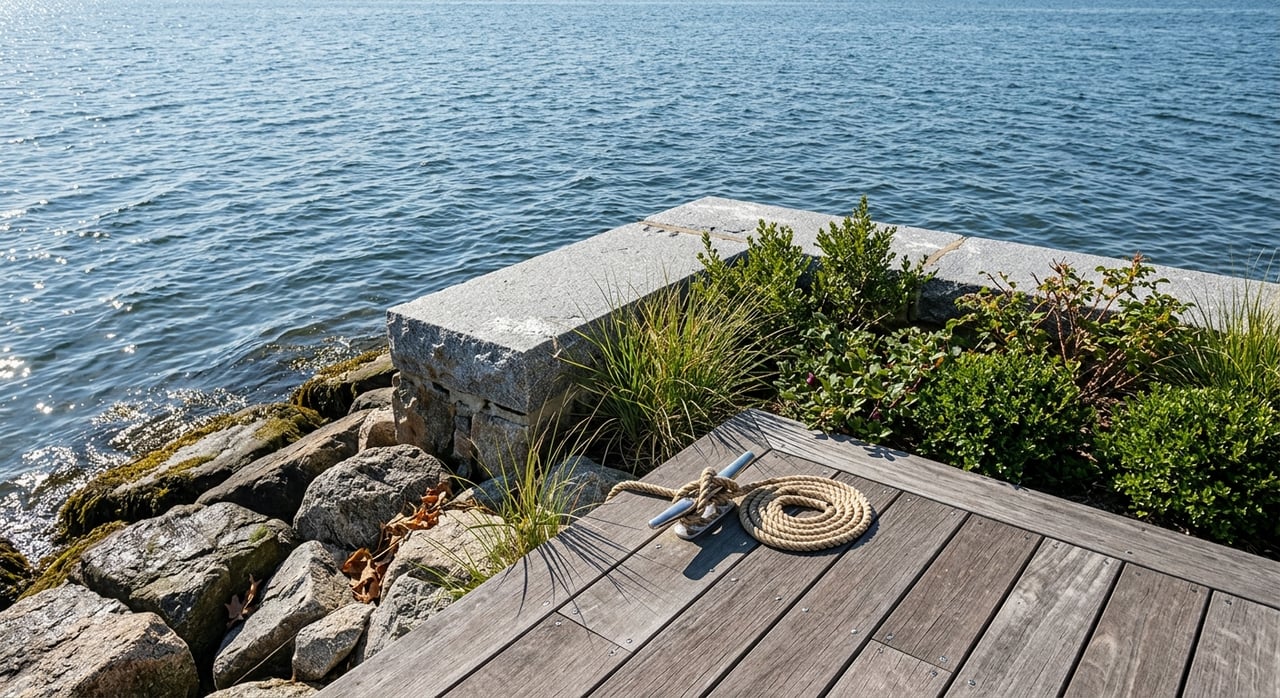
If boating access matters to you, Port Jefferson offers a strong harbor identity. The village describes Port Jefferson Harbor as one of the North Shore’s top boating destinations and one of Long Island’s two Connecticut-access ports. It also notes that the harbor’s calm water and deep draft support visiting boaters.
That boating culture connects directly to village life. According to village materials, transient boaters can reach shops, restaurants, and cultural attractions on foot from marina docks. For buyers interested in waterfront and marina-oriented settings, that mix of marine access and walkable village amenities is a defining feature.
The village’s long-term planning also supports commercial and recreational boating and fishing as important waterfront uses. That is a useful signal if you are drawn to places where maritime activity remains part of the local character.
Walkability Around the Waterfront
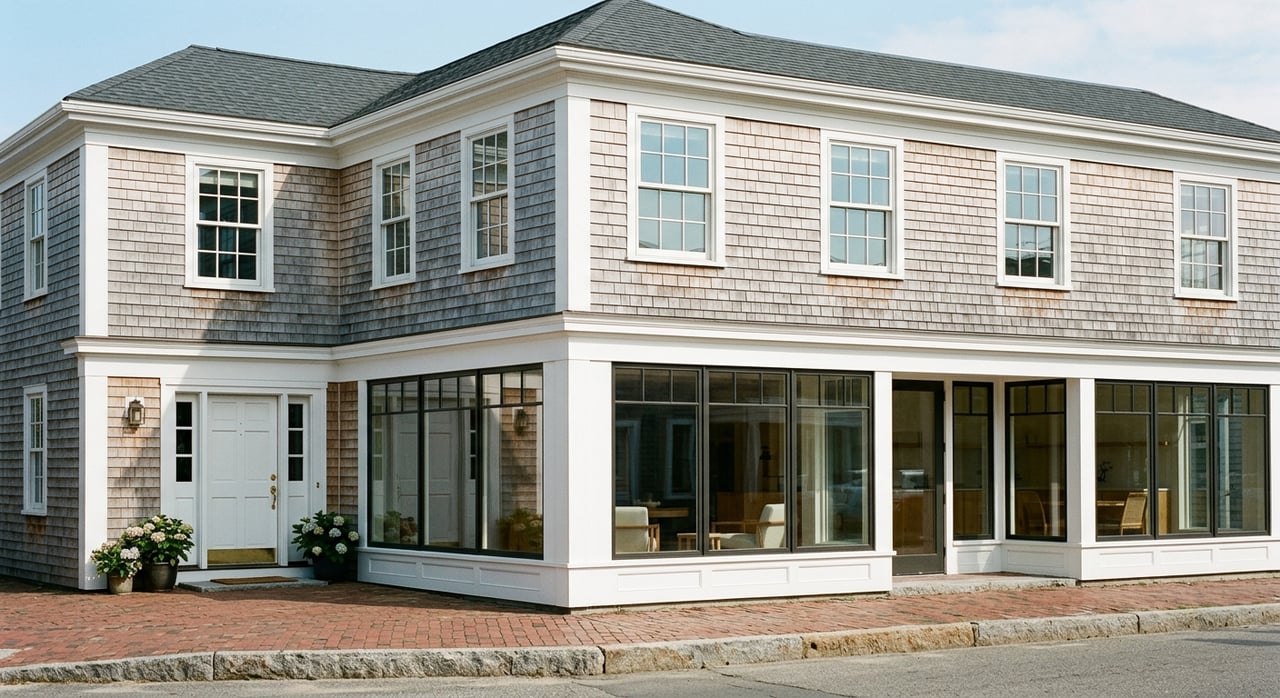
One of Port Jefferson’s biggest lifestyle advantages is its walkable core. The village comprehensive plan describes two retail nodes, Downtown on the waterfront and Uptown near the Long Island Rail Road station, linked by Main Street.
Downtown is described as an attractive visitor destination with walkable streets, open spaces, harbor views, restaurants, cafes, bakeries, boutiques, gift shops, and clothing stores. If you enjoy being able to step out for coffee, dinner, or a waterfront stroll without planning a full car trip, that layout can feel especially appealing.
At the same time, it helps to have realistic expectations. The village plan notes that downtown is stronger in dining and specialty shopping than in convenience retail. So while the area supports a lifestyle built around strolling and social activity, not every everyday errand is likely to happen on foot.
Transportation Adds Flexibility
For a village of its size, Port Jefferson offers a wide range of transportation connections. The village lists the LIRR, the Bridgeport & Port Jefferson ferry, Hampton Jitney, Suffolk County Transit, SCAT, taxis, and car access.
The ferry is one of the standout features. Village information says it runs 365 days a year with numerous crossings daily, and the ferry operator states the trip takes about 1 hour and 15 minutes. If you want coastal living without feeling cut off, that kind of connection can make a real difference.
This transportation mix also supports a more car-light lifestyle for some residents, especially if you live near downtown or near the station. Still, most buyers should balance that convenience with the reality of seasonal traffic and parking patterns.
What to Expect From Parking and Seasonality
Every harbor village comes with tradeoffs, and Port Jefferson is no exception. The village visitor materials show time-limited on-street parking in the core, and planning documents note that ferry queuing on East Broadway can become more noticeable during busy summer weekends.
That does not cancel out the benefits of the location, but it is part of living in a destination-oriented waterfront community. If you value energy, activity, and public access to the harbor, some seasonal crowding may feel like a fair trade. If you prefer a quieter, more car-oriented setting, it is something to think through before you buy.
Homes and Housing Character
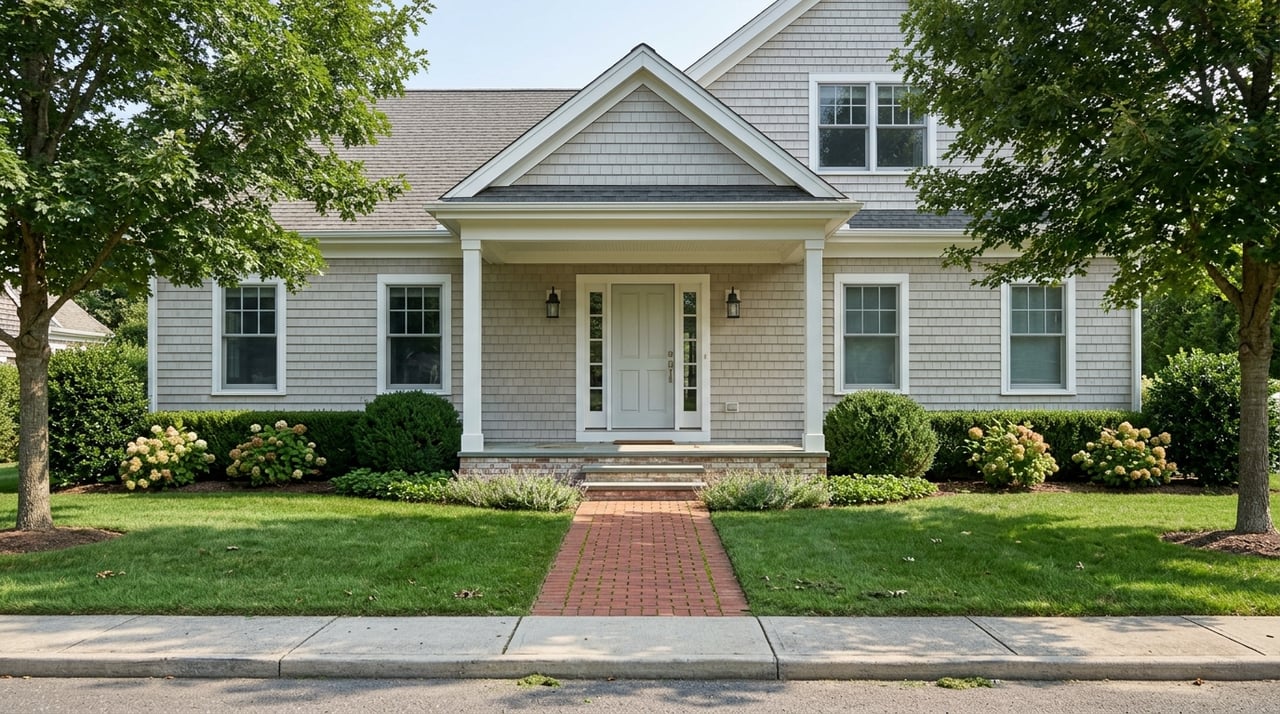
Port Jefferson’s housing character reflects its village scale. The comprehensive plan points to a mix that includes predominantly single-family neighborhoods along with older rental product, earlier condo and rental projects, and limited new multifamily construction.
That suggests a low-rise environment rather than a high-density one. For many buyers, that balance is part of the appeal. You get a village atmosphere with a range of housing types, while the waterfront and downtown remain the focal points.
Current Census data also help frame the market. Port Jefferson has a 72.0% owner-occupied housing rate, a median owner-occupied home value of $655,800, median monthly owner costs of $3,780 with a mortgage, median gross rent of $2,349, median household income of $144,912, and a mean commute time of 30.2 minutes.
Those numbers point to an established market where lifestyle appeal is matched by meaningful price considerations. If you are planning a move here, it helps to look at the full picture, including budget, location within the village, and how much you value water access and walkability.
Who Port Jefferson Tends to Suit Best
Port Jefferson often appeals to buyers who care as much about setting and experience as they do about square footage. If you want a harbor-oriented village with water views, public waterfront spaces, boating culture, and year-round events, this community checks many of those boxes.
It may be especially attractive if you like the idea of walking to restaurants, cultural attractions, and the shoreline. It can also make sense if transportation options matter to you and you want rail and ferry access in addition to local roads.
On the other hand, Port Jefferson may be less ideal if you want a fully suburban retail pattern with a broad convenience-shopping base right in the immediate village center. The lifestyle here leans more toward ambiance, access, and activity than all-in-one suburban practicality.
A Year-Round Lifestyle, Not Just a Summer Look
A lot of waterfront places feel highly seasonal. Port Jefferson offers a broader mix. The village highlights annual events such as the Fourth of July Parade, the Boater’s Maritime Festival, Harvest Fest, the farmers market, and the Dickens Festival.
There are also museums, live theater, the Long Island Explorium, and harborfront public spaces that support activity beyond boating season. That variety gives the village a more consistent rhythm throughout the year.
For buyers considering a primary home, a weekend escape, or a relocation within Long Island, that year-round element is important. It means the harborfront lifestyle here is tied to community use and public life, not just peak-season tourism.
What Buyers Should Keep in Mind
Before choosing Port Jefferson, it helps to focus on how you actually want to live. Ask yourself whether you want:
- A walkable village core tied closely to the waterfront
- Easy access to restaurants, cafes, and specialty shops
- A harbor with active boating and ferry connections
- Public parks, events, and cultural programming near downtown
- A compact setting where some parking pressure comes with popularity
You should also think about your day-to-day habits. If you are happy trading some convenience retail for harbor access and village character, Port Jefferson may feel like a strong match. If your priority is handling most errands within a larger suburban shopping pattern, you may want to compare it carefully with other Long Island options.
Port Jefferson offers a distinct lifestyle on the North Shore, and understanding those tradeoffs is the key to making a smart move. If you are exploring waterfront homes, village properties, or relocation opportunities on Long Island, The Connelly Team can help you evaluate what fits your goals.
FAQs
What is harborfront living like in Port Jefferson?
- Harborfront living in Port Jefferson centers on walkable access to the waterfront, Harborfront Park, boating activity, village events, restaurants, and a compact downtown tied closely to the harbor.
Is Port Jefferson a walkable village for daily life?
- Port Jefferson has a walkable downtown waterfront area and an uptown area near the LIRR station, but the village is stronger in dining and specialty shopping than in everyday convenience retail.
Does Port Jefferson have boating and ferry access?
- Yes. Village materials emphasize boating, marina access, and the Bridgeport & Port Jefferson ferry, which runs daily year-round with multiple crossings.
Can you live in Port Jefferson with less reliance on a car?
- In some parts of the village, especially near downtown or the station, you may be able to live more car-light thanks to walking, rail, ferry, and bus options, though parking and seasonality still matter.
What kind of homes are common in Port Jefferson?
- Official planning materials suggest a village-scaled housing mix that includes predominantly single-family areas along with older rental and condo product and limited new multifamily construction.
Who should consider buying a home in Port Jefferson?
- Port Jefferson may be a good fit if you value waterfront access, boating culture, walkability, ferry connections, and year-round village activity more than a fully suburban shopping pattern.